Teaching Sweet Hearts
A Playful Embroidery Design for Handmade Projects
As an experienced embroidery designer, I often look for designs that can seamlessly blend charm and functionality. Teaching Sweet Hearts is one such design that caught my eye with its whimsical aesthetic and versatile application. It’s the kind of embroidery file that feels like a natural fit for both personal projects and small business ventures.
First Impressions: A Whimsical Mood
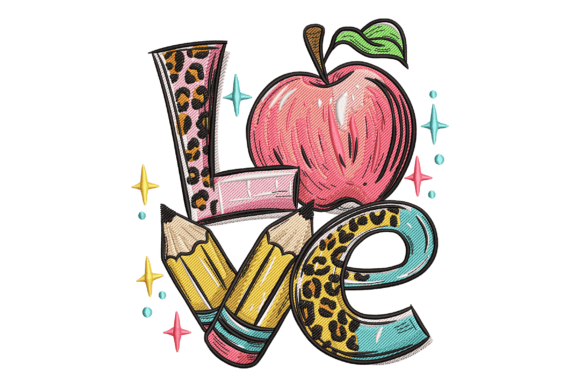
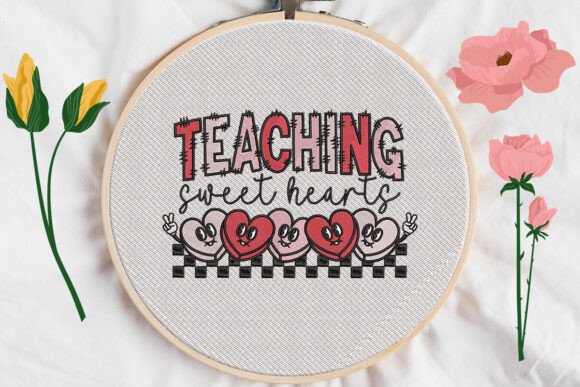
The first thing that strikes me about Teaching Sweet Hearts is its visual mood—playful, sweet, and inviting. The design features a heart with a subtle floral border, giving it a soft and gentle feel. The overall composition is balanced, with enough detail to catch the eye without overwhelming the fabric. This makes it ideal for use on items where a touch of charm is needed but not overpowering.
Stitching-wise, the design uses a mix of satin stitch and running stitch, creating a textured yet smooth appearance. The fill stitches are well-placed, ensuring the design holds up well under close inspection. Whether you're looking for a subtle embellishment or a bold statement, Teaching Sweet Hearts offers a good balance between the two.
Practical Use in Real Projects
Teaching Sweet Hearts is a versatile embroidery design that can be used across a wide range of products. From custom apparel like t-shirts and sweatshirts to home decor items such as kitchen towels and pillow covers, this design adds a delightful touch. Its size and complexity make it suitable for both small hoop sizes and larger projects, depending on how you choose to scale it.
One of the standout features of Teaching Sweet Hearts is its adaptability. It works beautifully on tote bags, aprons, and even baby items like blankets and caps. For those interested in commercial embroidery, the design could also be used for embroidered patches or as part of a seasonal handmade gift line. Its playful nature makes it especially appealing for school-related projects or themed merchandise.
When considering real-world applications, it's important to note that the design performs well on various fabric types. It handles textured fabrics with ease and maintains its shape on stretchy materials. However, when working with dark fabrics, it's advisable to check thread color contrast to ensure visibility and vibrancy.
Considerations for Different Fabric Types
Teaching Sweet Hearts is designed to work well with most standard embroidery fabrics, but there are a few considerations to keep in mind. On dense stitch areas, it's essential to use proper stabilizer to prevent puckering. For curved surfaces like caps, the design remains intact and looks great, making it a solid choice for wearable items.
If you plan to use this design on items that will be washed frequently, such as kitchen towels or baby blankets, it's wise to test it on scrap fabric first. This helps ensure that the design holds up over time and maintains its quality through repeated use.
Impact on Product Value and Presentation
Using Teaching Sweet Hearts in your handmade products can significantly enhance their visual appeal and marketability. The design adds a personal touch that resonates with customers looking for unique, handcrafted items. Whether it's a personalized gift or a custom piece for a boutique, the charm of Teaching Sweet Hearts elevates the overall presentation.
From a branding perspective, this design supports consistency in your product line. Its consistent style and tone help create a cohesive brand identity, which is especially valuable for Etsy sellers and small business owners. Additionally, the design lends itself well to product photography, making it easier to showcase your finished pieces in an attractive way.
Embroidery Tips for Success
To get the best results from Teaching Sweet Hearts, I recommend a few practical steps. First, always test the design on scrap fabric before applying it to your final project. This allows you to adjust settings and check stitch density as needed.
Next, review the thread color contrast to ensure it stands out against the fabric. Checking both light and dark fabric mockups can help you determine the best outcome. Using the right stabilizer is also crucial, especially for dense stitch areas or stretchy fabrics.
Finally, always confirm the file details and licensing information on the Creative Fabrica product page before selling any finished items. This ensures you’re using the design within the intended scope and avoids any potential issues down the line.
Conclusion: A Reliable Choice for Creative Projects
Teaching Sweet Hearts is more than just an embroidery design—it's a reliable tool for adding charm and character to your handmade products. Whether you're working on custom apparel, home decor, or seasonal gifts, this design offers a perfect blend of style and functionality. With careful consideration and proper preparation, it can become a valuable asset in your creative toolkit.