Senior Class of 2026 Embroidery
A Playful Design for a Whimsical Touch
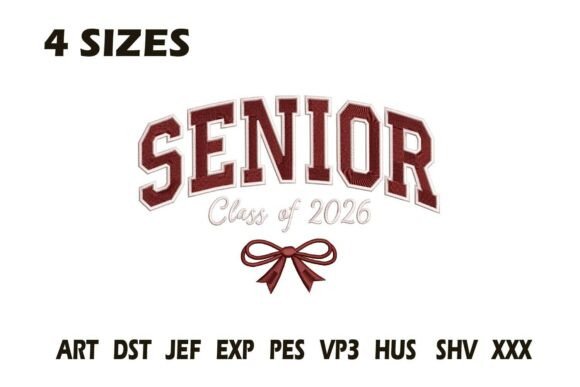
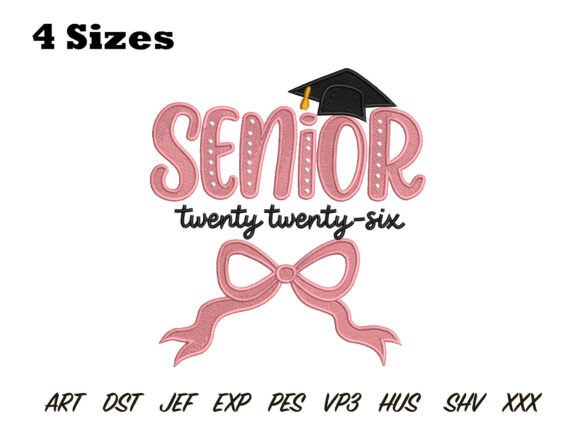
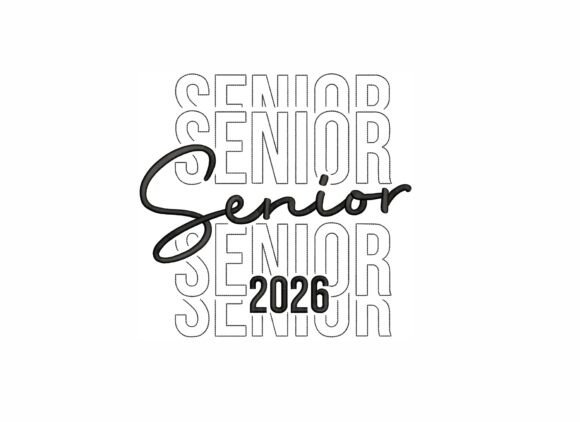
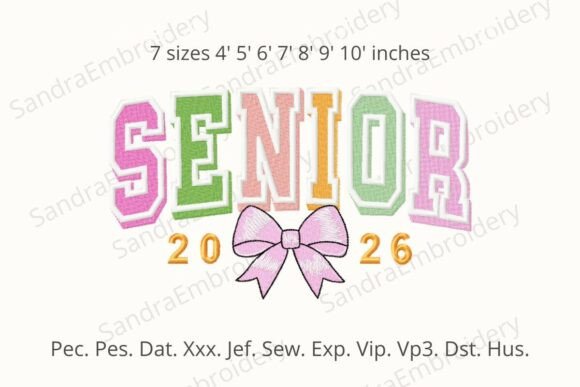
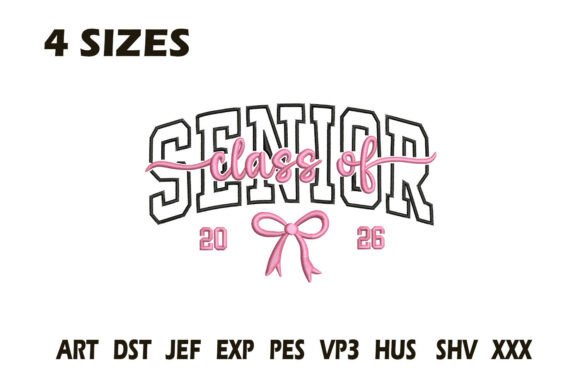
The first thing that strikes me about Senior Class of 2026 Embroidery is its cheerful, almost carefree vibe. It’s not the kind of design that demands attention—it invites it. The layout feels balanced, with a playful mix of shapes and text that speaks to nostalgia and celebration. The Senior Class of 2026 phrase is the focal point, rendered in a stylized font that feels both modern and nostalgic, like something you’d see on a vintage school banner or a student-made poster.
Visually, this design leans into whimsy, which makes it ideal for projects that need a touch of fun without being too serious. It’s not overly detailed, but there’s enough texture and variation in stitch types—like satin stitch and fill stitch—to give it depth. This balance means it doesn’t overwhelm the fabric, making it versatile for different applications.
Real-World Use Case: Custom Tote Bag for a Graduation Gift
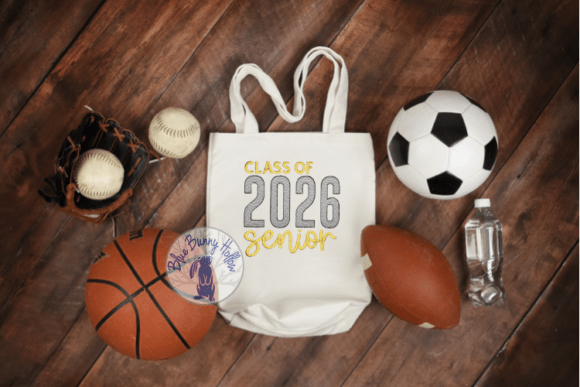
Let’s imagine I’m preparing a custom tote bag as a graduation gift. I’ve chosen a light cotton canvas for its softness and durability. I want the Senior Class of 2026 Embroidery to stand out, so I place it near the top center of the tote, where it can be seen clearly from a distance. The design fits well here, and the playful tone matches the occasion.
I test the embroidery file on a scrap piece of fabric first. The stitching looks clean, and the thread colors—particularly the bright yellow and navy blue—contrast nicely against the white background. However, I notice that some of the smaller letters might be difficult to read on darker fabrics, which is something to consider if I plan to use this design on a black or dark-colored item.
Another thing I check is the hoop size. The design is large enough that it requires a medium hoop, which is manageable for most home embroidery machines. But if I were to use it on a small hoop, parts of the design might get cut off, especially the corners and the decorative accents around the main text. That’s something to keep in mind when planning for different product sizes.
Design Performance Across Different Applications
Senior Class of 2026 Embroidery performs well on a variety of surfaces, but it’s not without its limitations. On t-shirts, it looks great—especially on light-colored cottons. The design adds a personal touch without overpowering the garment. However, on stretchy or thin fabrics like denim or lightweight cotton, the stitches may not lie flat, and the design could pucker slightly. In such cases, using a proper stabilizer is essential to maintain the integrity of the embroidery.
For custom apparel, this design works best on items that are worn casually, like sweatshirts or hoodies. It’s less suitable for formal wear or items that require a more refined look. If I were to use it on a baby item, like a onesie or a blanket, I’d need to ensure the design is scaled appropriately and that the stitch density is adjusted to prevent any discomfort for the child.
On home decor items like pillow covers or tea towels, the design shines. It adds a youthful energy to the space without being too distracting. However, on textured fabrics like linen or wool, the design may not sit as smoothly, and the thread color contrast becomes even more important to ensure visibility.
Considerations for Commercial and Personal Projects
If I were an Etsy seller or a small shop owner, I’d need to evaluate whether this design is suitable for commercial use. The digital embroidery file should be checked for licensing terms before selling finished products. Also, testing the design on various fabric types and in different lighting conditions is crucial to ensure consistency across all products.
For personalized gifts, the design offers a great opportunity to create meaningful items. A custom embroidered cap or apron could be perfect for a graduation party or a birthday celebration. But I’d recommend checking the printable mockup to visualize how the design will look on the final product before committing to the embroidery.
One thing I would caution against is using this design on items that require frequent washing, like kitchen towels or baby clothes. The repeated exposure to water and detergents could affect the longevity of the embroidery, especially if the stitch density is too high or the thread colors are not durable enough.
Practical Designer Notes for Success
As an experienced designer, I always recommend testing new designs on scrap fabric before moving to the final product. For Senior Class of 2026 Embroidery, this step is especially important because of the intricate details and the potential for small lettering to be overlooked during the initial review.
Also, consider the lighting conditions in which the finished product will be viewed. A design that looks vibrant in natural light may appear dull under artificial lighting, which is something to account for when creating design assets for digital platforms like Etsy or social media.
Finally, always confirm the license terms for the embroidery file before selling any finished products or digital files. Some designs come with restrictions on commercial use, and it’s important to respect those to avoid legal issues.
Final Thoughts on Senior Class of 2026 Embroidery
Senior Class of 2026 Embroidery is a versatile and charming design that brings a sense of joy and nostalgia to any project. Whether you’re creating a custom tote bag, a personalized gift, or a boutique product, this design has the potential to add a unique and memorable touch. With the right preparation and attention to detail, it can elevate your handmade creations and bring a smile to your customers’ faces.