Read a Book
A Playful Embroidery Design for Everyday Use
As a designer who’s stitched countless projects from custom apparel to boutique branding, I approach each embroidery design with the same level of scrutiny I’d apply to a client’s project. Read a Book is no exception. It’s a design that carries a clear visual personality—playful, whimsical, and just the right amount of charm to make it stand out without being overwhelming. When I first opened the embroidery file, I immediately felt its intended use: a casual, fun piece meant to add character to everyday items.
The First Impression: Mood and Visual Personality
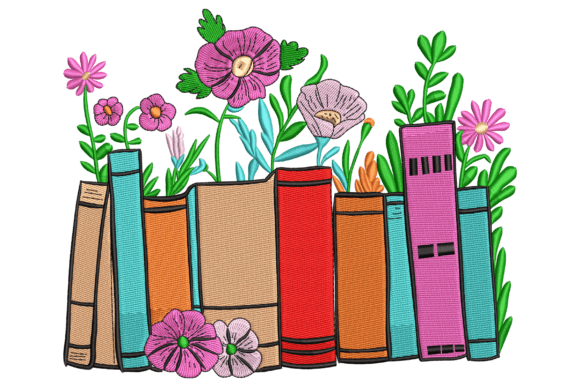
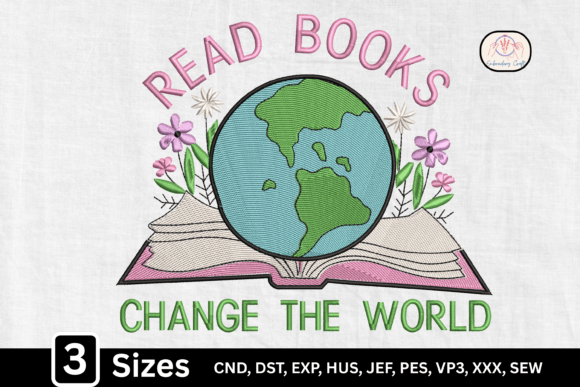
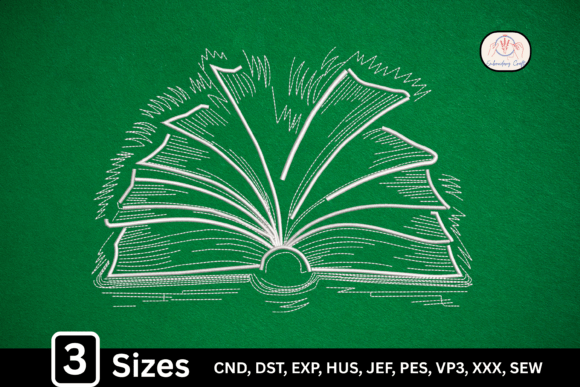
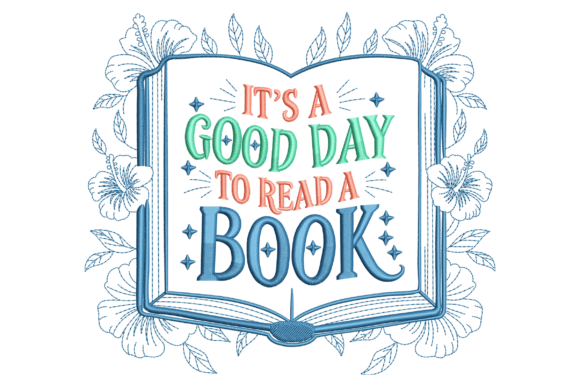
Read a Book feels like something you’d find on a child’s backpack or a cozy reading nook. The layout is clean, with a central image of a book and surrounding elements that suggest a story in progress—maybe a cat, a teacup, or a small tree. The overall tone is light and inviting, which makes it ideal for projects where the goal is to create a sense of comfort or nostalgia.
The design uses a mix of satin stitch and running stitch to create texture and dimension. This combination gives it a soft, handcrafted look that aligns well with handmade products and personalized gifts. The detail level is moderate, allowing for flexibility in how it’s used across different fabric types and product sizes.
Real-Life Scenario: Custom Tote Bag for a Book Club
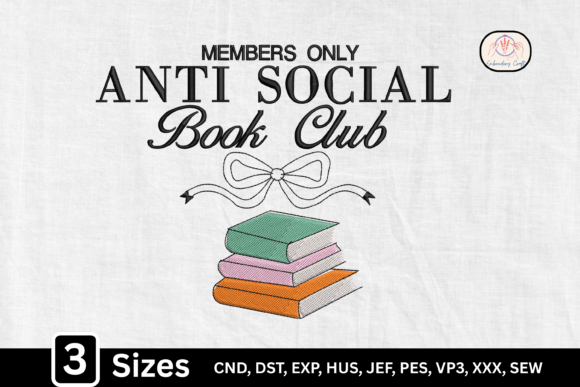
Let’s imagine a practical case: a local bookstore owner wants to create a line of custom tote bags for their book club members. Each bag needs a subtle but eye-catching design that reflects the love of reading. Read a Book fits this scenario perfectly. It’s not too busy, yet it adds enough interest to make the tote stand out on a shelf or in a customer’s hands.
When I think about how it would look on a tote bag, I consider the scale. The design is large enough to be visible from a distance but small enough not to overwhelm the fabric. It works well on cotton or canvas, both common materials for tote bags. However, I’d recommend testing it on scrap fabric first to ensure the stitch density and thread color contrast are appropriate for the final product.
Where Read a Book Excels
Read a Book performs well in several key categories:
- Custom Apparel: It looks great on t-shirts, sweatshirts, and even baby clothes. Its playful nature makes it perfect for younger audiences or those looking for a lighthearted touch.
- Home Decor: Pillow covers, tea towels, and kitchen linens benefit from its whimsy. It adds a touch of personality without being too bold.
- Personalized Gifts: Whether it’s a birthday gift or a holiday present, Read a Book offers a charming way to personalize items like caps, aprons, and patches.
- Commercial Projects: Etsy sellers and small shop owners can use it as a consistent brand asset across multiple products, helping to build recognition and trust with customers.
Considerations for Real-World Use
While Read a Book is versatile, there are a few areas where it might require extra care:
- Small Hoop Sizes: If you’re working with a limited hoop space, the design may need to be scaled down or adjusted to fit properly. Always check the hoop size before stitching.
- Dark Fabrics: The design relies on contrast between the thread colors and the fabric background. On dark fabrics, it may appear less vibrant. Testing in black and white mockups can help identify potential issues.
- Stretchy or Textured Fabrics: These can cause distortion or uneven stitching. Using the right stabilizer is essential to maintain shape and clarity.
- Curved Surfaces: Items like caps or hats may require additional adjustments to ensure the design sits flat and looks natural.
Design Impact on Product Value and Customer Trust
The visual appeal of Read a Book directly affects the perceived value of the finished product. A well-executed design can elevate a simple item into something memorable. For handmade products and personalized gifts, this means more than just aesthetics—it builds emotional connection and customer trust.
Consistency is key when using Read a Book across multiple items. Whether it’s a series of embroidered patches or a line of custom tote bags, maintaining a cohesive look helps reinforce brand identity. It also increases the likelihood of repeat purchases and positive reviews from customers.
Practical Designer Notes
Before using Read a Book in a real project, consider these tips:
- Test on Scrap Fabric: Always test the design on an old piece of fabric to assess stitch quality, color contrast, and overall appearance.
- Review Stitch Density: Ensure the design doesn’t have overly dense or sparse areas that could affect the final look or durability.
- Check Thread Colors: Choose thread colors that complement the fabric and enhance the design’s visual impact.
- Use Proper Stabilizer: Especially on stretchy or textured fabrics, a good stabilizer can make all the difference in the final result.
- Confirm Licensing: If you plan to sell finished products or digital files, verify the licensing terms to avoid legal issues.
Final Thoughts
Read a Book is a versatile, charming design that has clear strengths in both personal and commercial applications. It’s not the most complex embroidery file, but that’s part of its appeal—it’s easy to work with and adaptable to a wide range of projects. Whether you’re creating a custom tote for a book club, a personalized gift for a friend, or a branded item for your craft business, this design offers a reliable and stylish option.
With the right preparation and attention to detail, Read a Book can become a valuable asset in your digital embroidery file collection. It’s a reminder that sometimes, simplicity and charm go hand in hand—especially when it comes to embroidery.